Home automation refers to the use of technology to control various home systems and appliances remotely or automatically. This enhances convenience, security, and energy efficiency. Here’s a comprehensive overview:
Smart Lighting
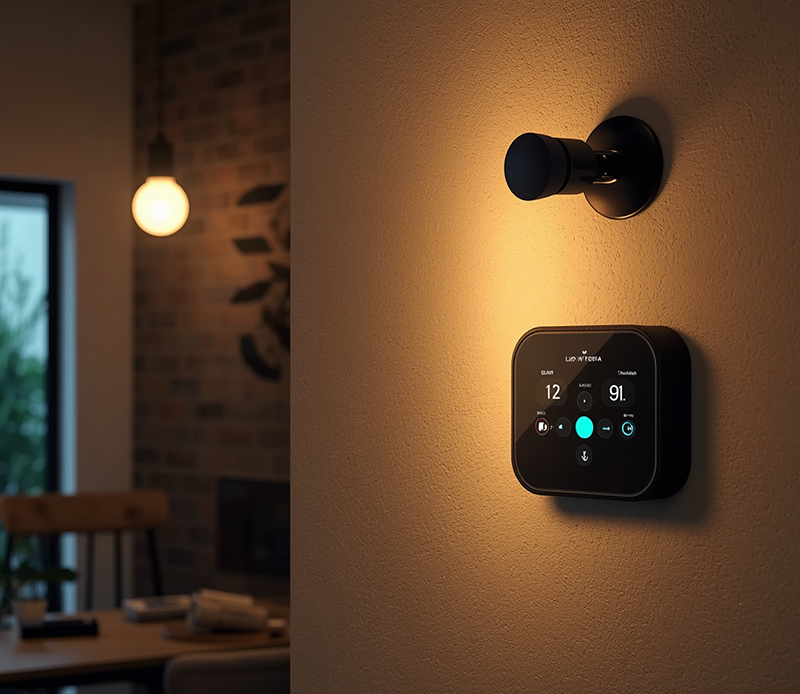
Smart Bulbs: LED bulbs that can be controlled via smartphone apps or voice assistants. Automated Schedules: Set timers or schedules to turn lights on/off based on routines.
Smart Thermostats
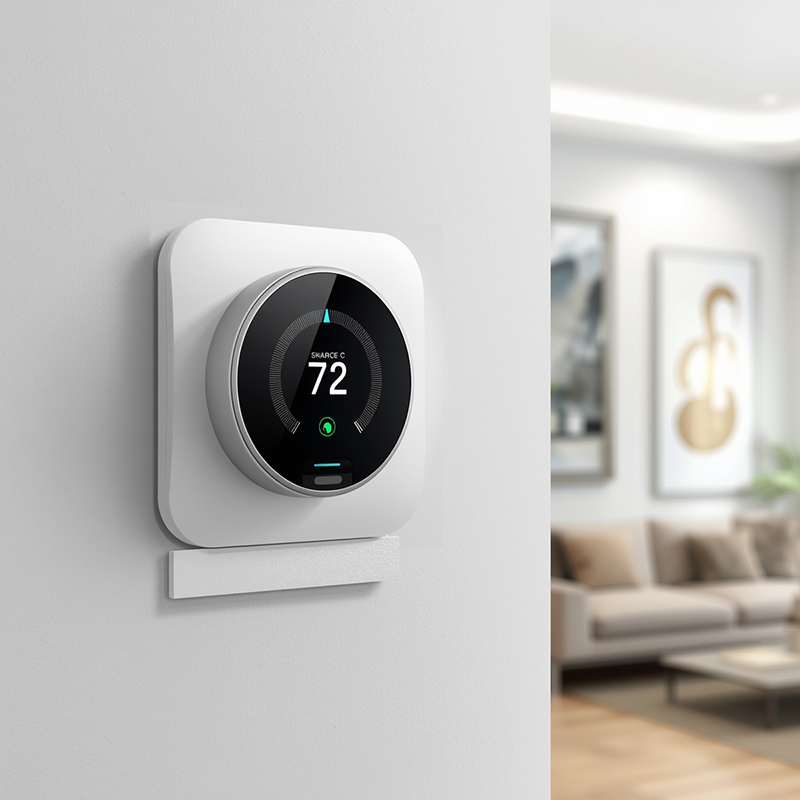
Temperature Control: Adjust heating and cooling remotely or based on occupancy. Energy Efficiency: Learn user habits to optimize energy usage and reduce bills.
Smart Security Systems
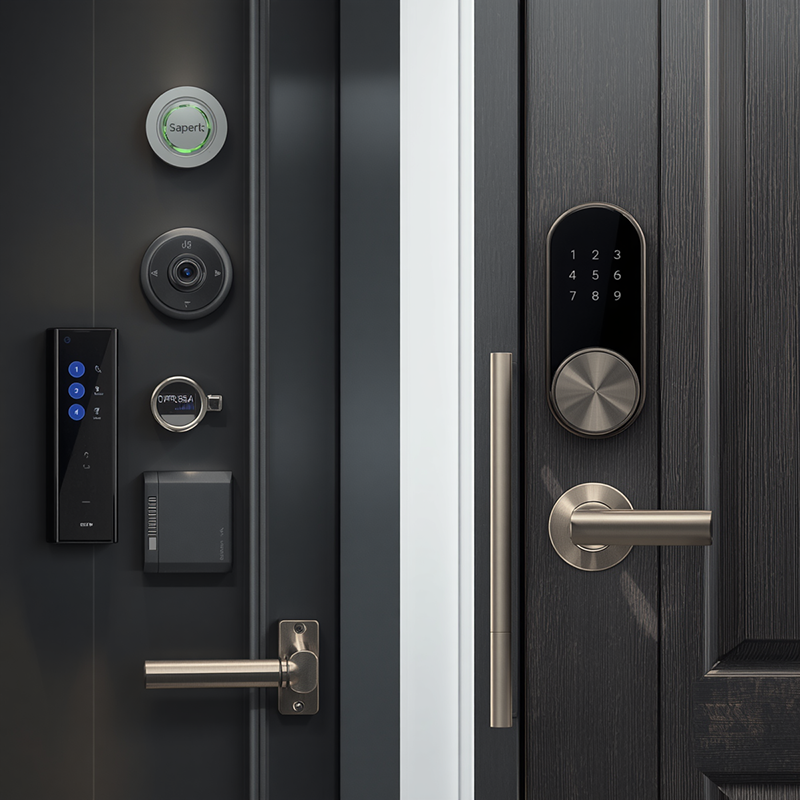
Cameras: Indoor and outdoor cameras that can be monitored remotely. Smart Locks: Keyless entry systems that allow for remote locking/unlocking and tracking access. Alarm Systems: Alerts for unauthorized entry and integration with emergency services.
Smart Appliances
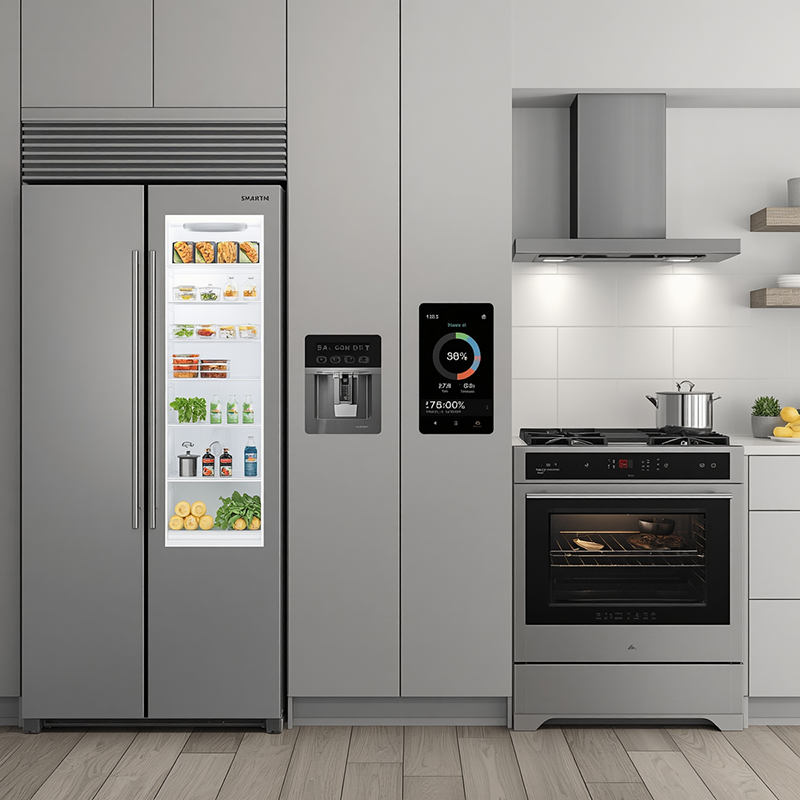
Smart Refrigerators: Track inventory, suggest recipes, and can alert you when items are running low. Smart Ovens and Cooktops: Preheat remotely and monitor cooking times through apps.
Home Assistants
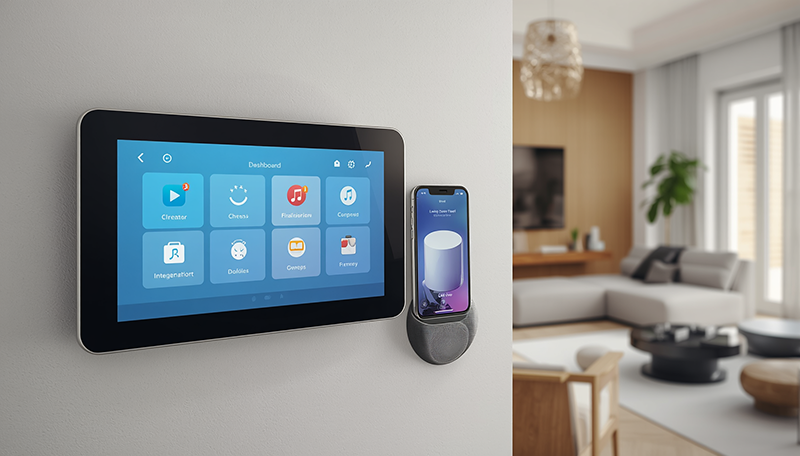
Voice-Controlled Devices: Smart speakers (like Amazon Echo or Google Home) that can control other devices, play music, or provide information. Integration: Central hub to control all smart devices seamlessly.
Smart Sensors
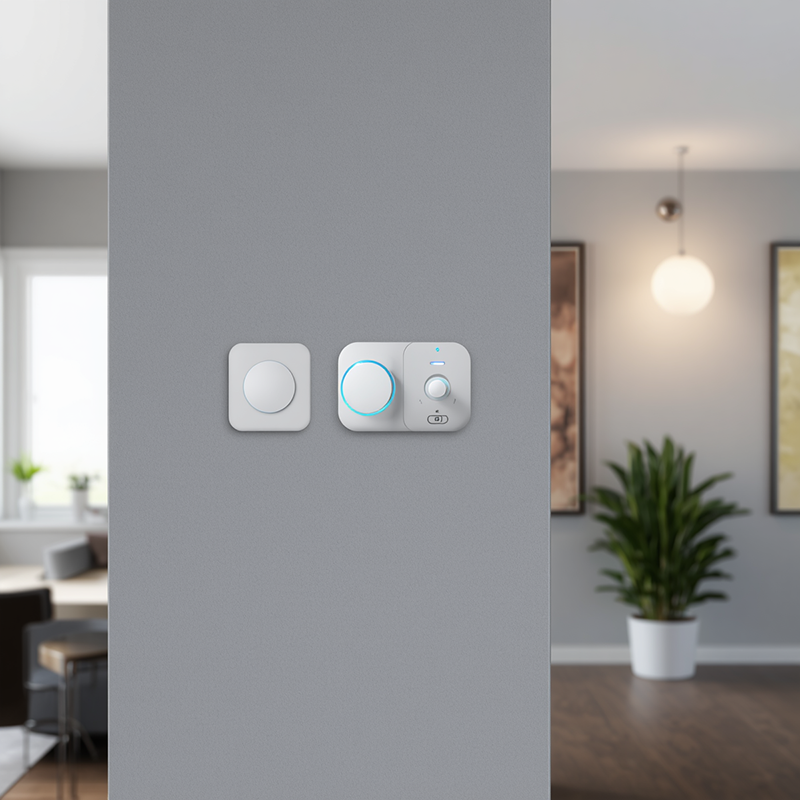
Motion Sensors: Detect movement and can trigger lights or security alerts. Environmental Sensors: Monitor temperature, humidity, and air quality for health and comfort.
Smart Entertainment Systems
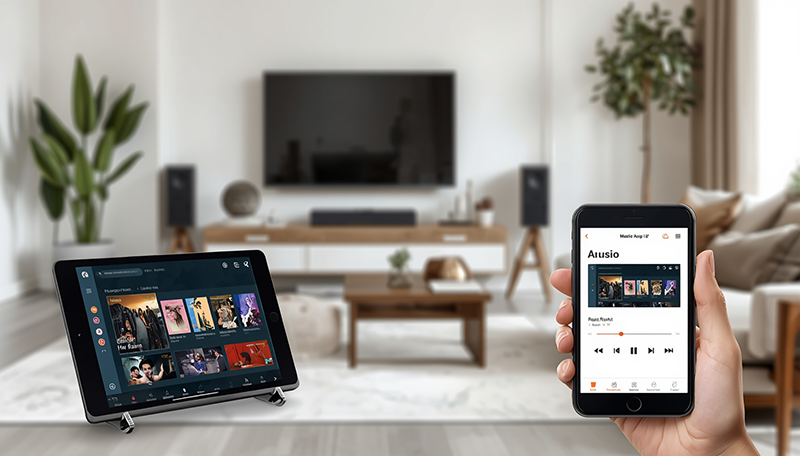
Streaming Devices: Control TVs and audio systems remotely or through voice commands. Multi-Room Audio: Play music in different rooms from a central app.
Smart Blinds and Shades
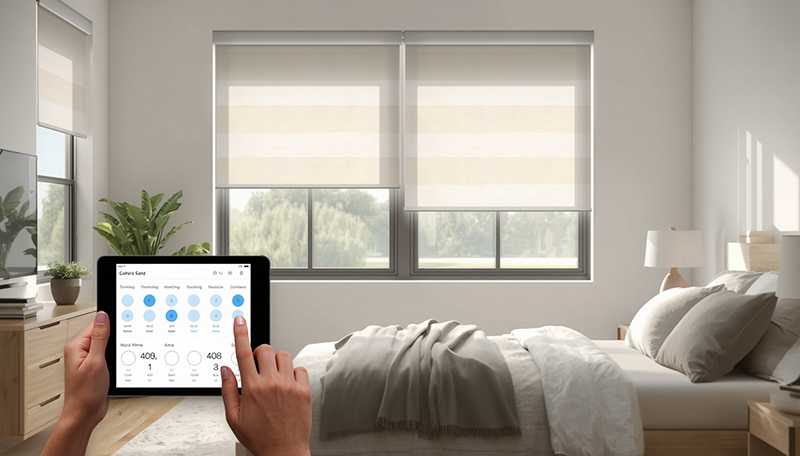
Automated Control: Open or close based on time of day or room occupancy. Energy Efficiency: Optimize natural light to reduce heating and cooling costs.