Smart buildings use advanced technologies to optimize building operations, improve occupant comfort, enhance energy efficiency, and ensure safety. By integrating IoT devices, data analytics, and automated systems, smart buildings create a responsive and efficient environment. Here’s a detailed overview:

Intelligent Lighting Systems
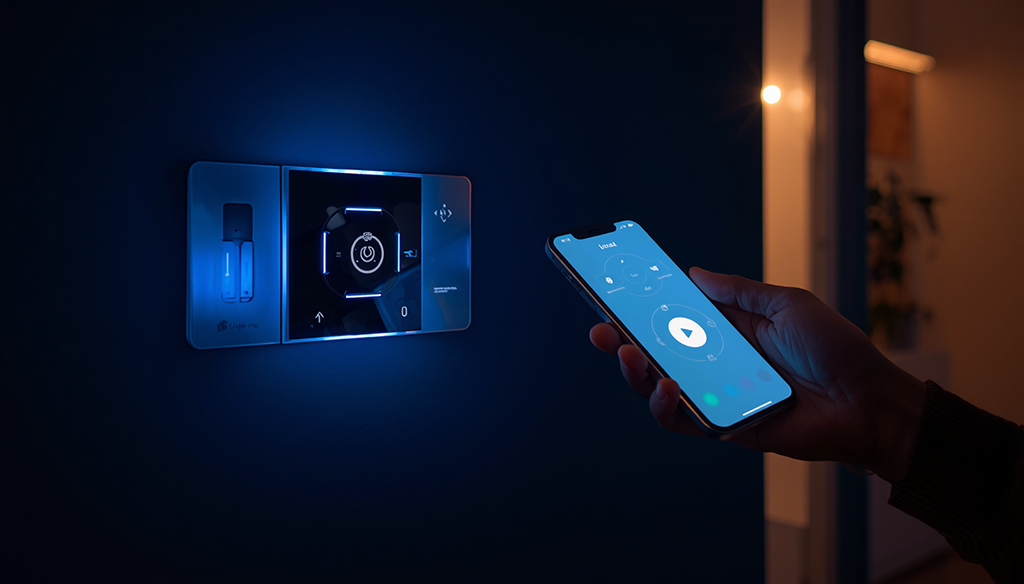
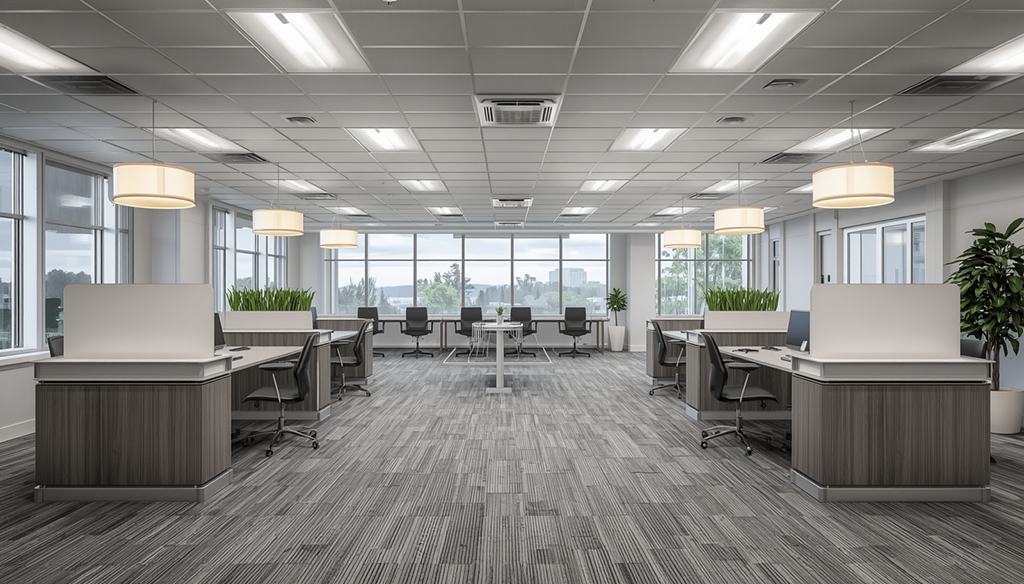
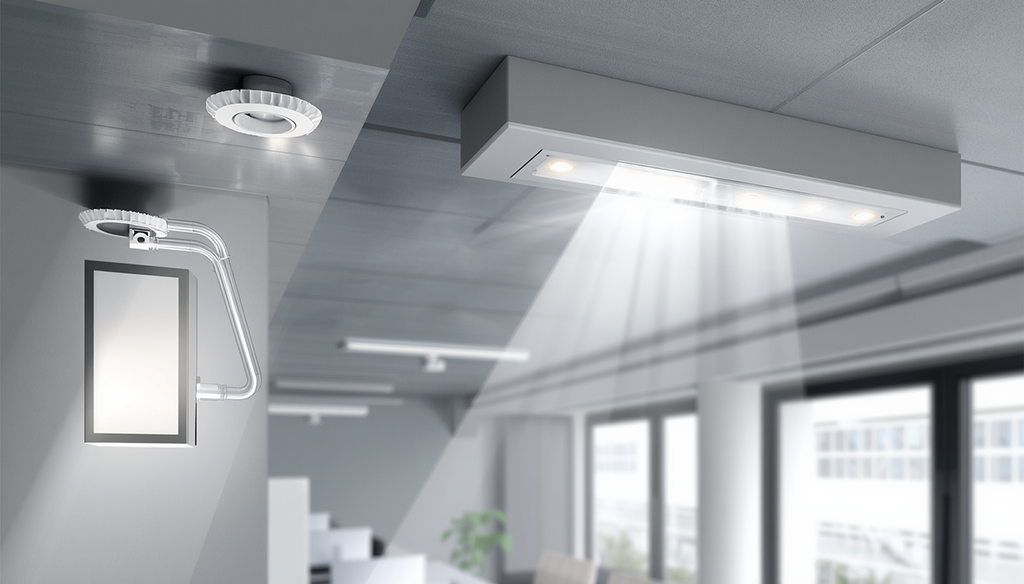
Adaptive Lighting: Automatically adjusts based on occupancy and natural light levels. Smart Controls: Allows users to control lighting via apps or voice commands.
HVAC Optimization
Smart Thermostats: Learn user preferences and optimize heating and cooling for energy efficiency. Zoned Climate Control: Different areas of the building can be controlled independently based on occupancy and use.
Energy Management Systems
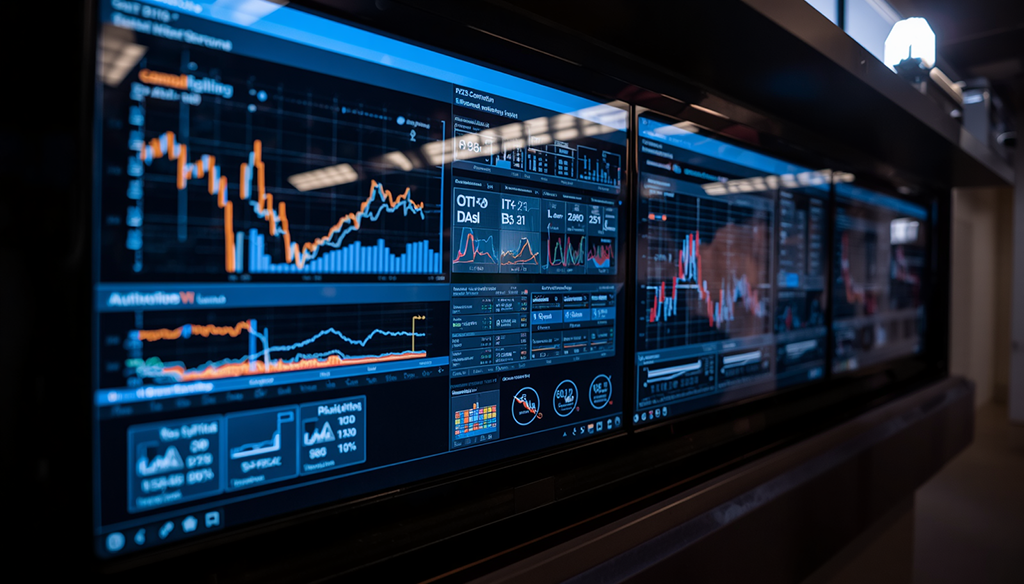
Real-Time Monitoring: Track energy usage and identify inefficiencies. Predictive Analytics: Analyze data to forecast energy demand and optimize usage patterns.
Security and Access Control
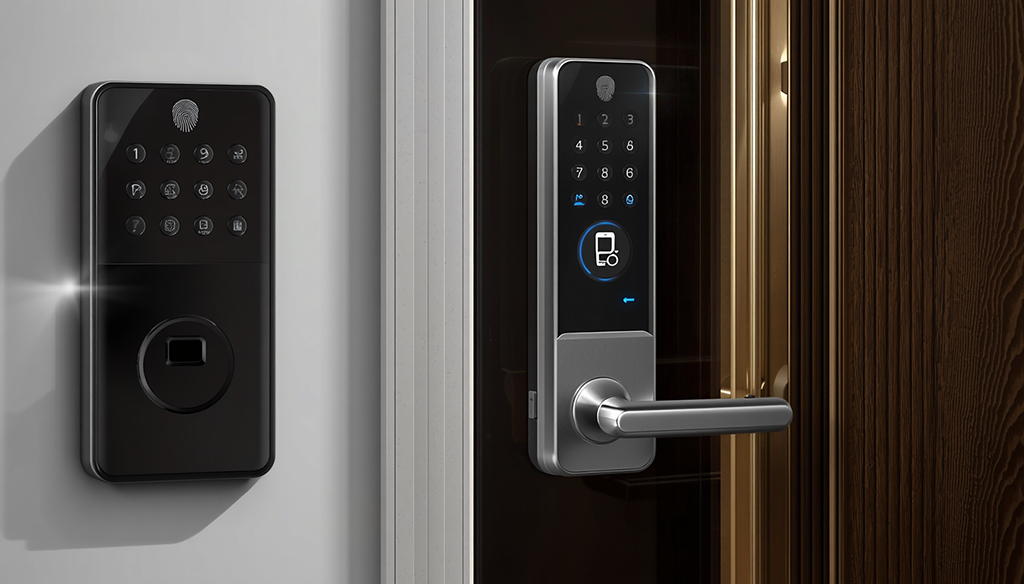
Smart Surveillance: Cameras with AI capabilities for real-time monitoring and incident detection. Access Management: Keyless entry systems and biometric authentication for secure building access.
Building Automation Systems (BAS)
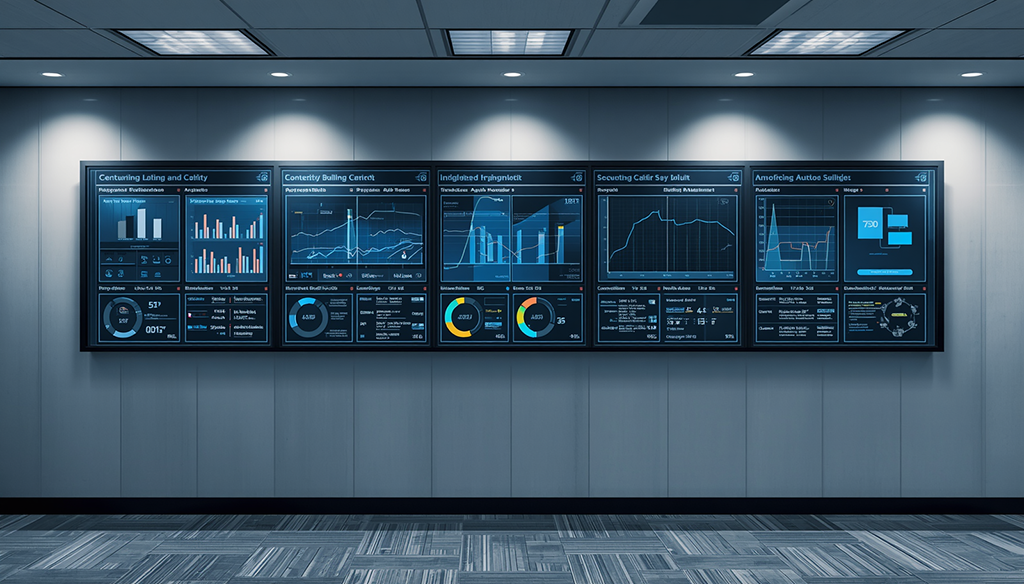
Centralized Control: Integrates various building systems (lighting, HVAC, security) for streamlined management. Remote Access: Allows facility managers to monitor and control systems from anywhere.
IoT Sensors
Occupancy Sensors: Detect presence to optimize lighting, HVAC, and other systems based on real-time usage. Environmental Sensors: Monitor air quality, temperature, and humidity to ensure a healthy indoor environment.
Smart Fire Safety Systems
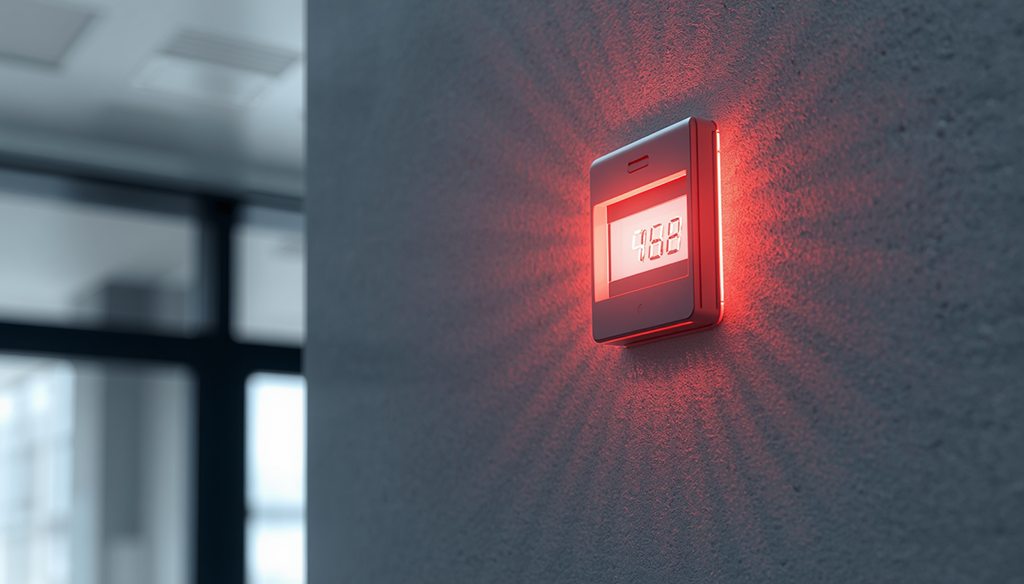
Automated Alerts: Fire alarms that provide real-time alerts and information to emergency services. Integrated Evacuation Plans: Systems that guide occupants to safety during emergencies.
Data Analytics and Reporting
Performance Metrics: Analyze building performance data to identify trends and areas for improvement. User Feedback: Collect and analyze occupant feedback to enhance comfort and satisfaction