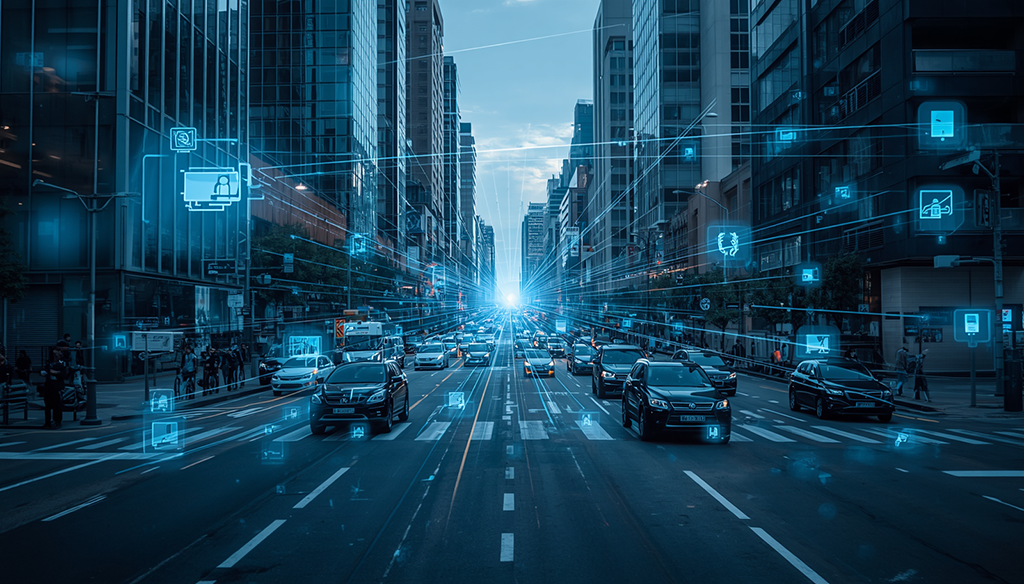
Smart city solutions leverage technology and data to enhance urban living, improve public services, and promote sustainability. Here’s an overview of various solutions that are shaping smart cities:

Smart Transportation

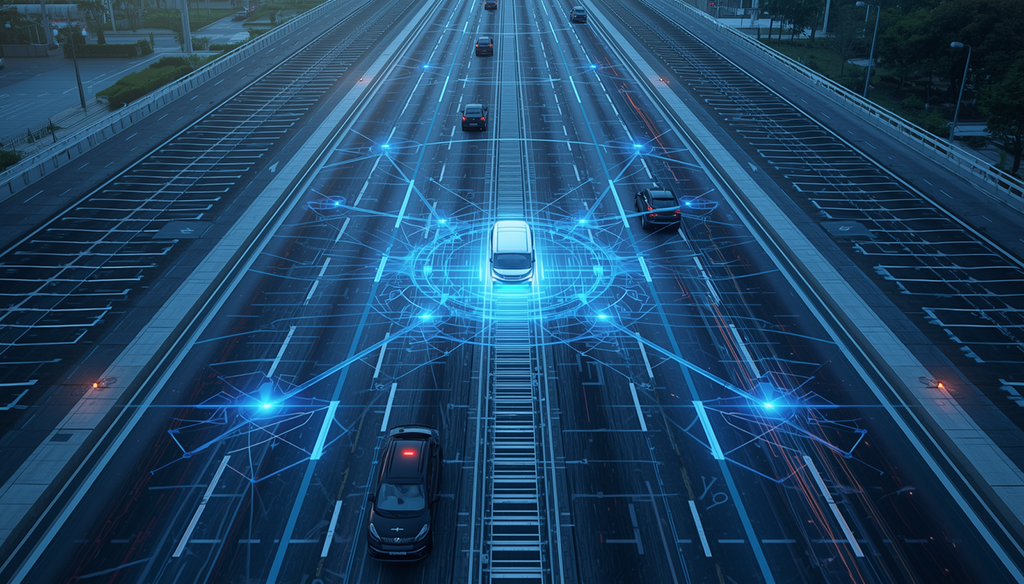
Intelligent Traffic Management: Systems that use real-time data to optimize traffic flow and reduce congestion through adaptive traffic signals.
Public Transit Solutions: Apps that provide real-time information on bus and train schedules, enabling better planning for commuters.

pages-h-smart-transport
pages-h-wast-energy

Smart Energy Management

Smart Grids: Enable real-time monitoring and management of electricity distribution, improving efficiency and integrating renewable energy sources.
Energy Management Systems: Applications that help buildings monitor and optimize energy use, including smart meters and IoT devices.
Renewable Energy Solutions: Solar panels and wind turbines integrated with smart systems for optimal energy generation and distribution.

Smart Waste Management

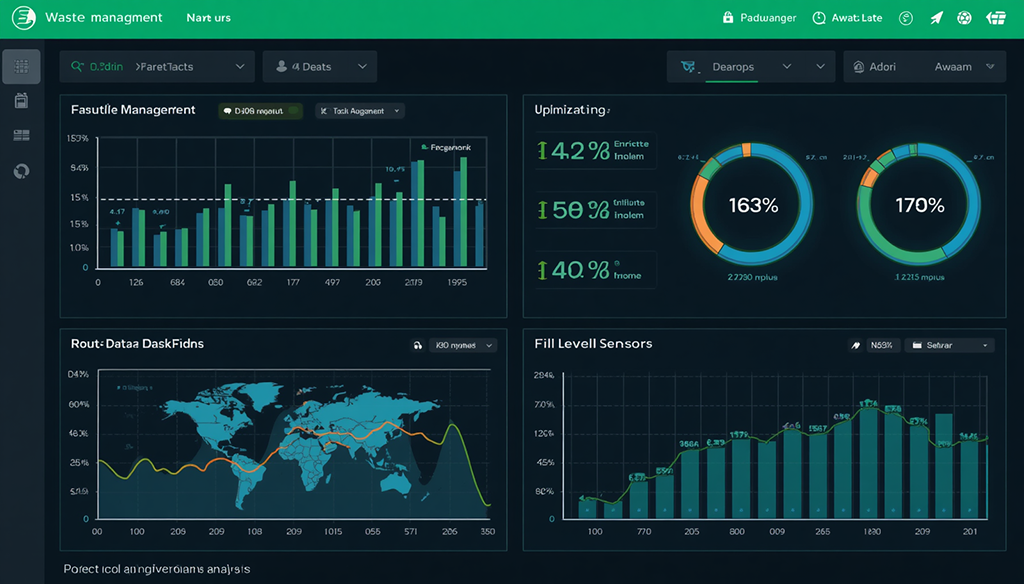
Connected Waste Bins: Sensors that monitor fill levels and optimize collection routes, reducing costs and emissions.
Recycling and Composting Programs: Smart solutions that encourage proper waste segregation and enhance recycling rates through data analysis.

pages-h-smart-energy
pages-h-public-safety

Public Safety Solutions

Smart Surveillance: AI-powered cameras that can detect unusual activity and help law enforcement respond quickly.
Emergency Response Systems: Integrated platforms that streamline communication between first responders and provide real-time data during emergencies.

Smart Water Management

IoT Water Sensors: Monitor water quality, usage, and leaks in real time to conserve resources and improve efficiency.
Automated Metering Infrastructure (AMI): Advanced metering systems that provide accurate consumption data and facilitate demand management.

pages-h-water
pages-h-smart-building

Smart Buildings

Building Management Systems (BMS): Automate and optimize building operations, including HVAC, lighting, and security systems.
Energy-Efficient Technologies: Smart appliances and IoT devices that reduce energy consumption and enhance occupant comfort.


Environmental Monitoring

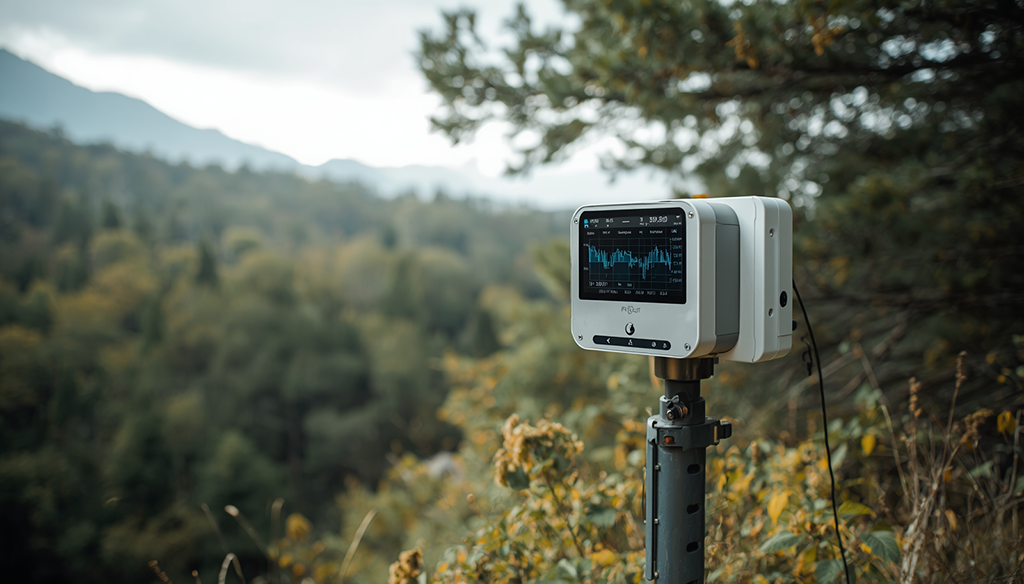
Air Quality Sensors: Real-time monitoring of air pollution levels to inform residents and help city planners make data-driven decisions.
Noise Monitoring: Sensors that track noise levels in various areas, helping address urban noise pollution.

pages-h-environment
page-10-dataanalyis

Data Analytics and Management

Urban Data Platforms: Centralized systems that aggregate data from various sources to support informed decision-making.
Predictive Analytics: Use historical data to forecast trends and optimize city services, from public health to traffic management.

Health and Wellbeing Solutions

Telehealth Services: Provide residents with access to healthcare resources and consultations remotely.
Smart Parks and Recreation: Use of technology in public spaces to enhance community engagement and promote active lifestyles Conclusion

pages-h-health