IoT (Internet of Things) solutions encompass a wide range of applications and technologies that enable devices to connect, communicate, and share data over the internet. Here are some key areas where IoT solutions are making an impact:

Smart Homes

Smart Thermostats: Devices to adjust heating/cooling based on user preferences.
Home Security: Cameras and sensors that can be monitored remotely.
Smart Lighting: Systems that adjust brightness based on occupancy.

PSS-Bg2
IOTS-03

Industrial IoT (IIoT)

Predictive Maintenance: Sensors monitor equipment health and predict failures.
Supply Chain Optimization: Track inventory and shipments in real time.
Remote Monitoring: Oversee machinery and processes from anywhere.

Smart Cities

Traffic Management: Smart traffic lights and sensors that optimize flow.
Waste Management: Bins that notify when they’re full to optimize collection routes.
Public Safety: Connected surveillance and emergency response systems.

IOTS-02
IOTS-01

Healthcare

Wearable Devices: Track health metrics like heart rate and activity levels.
Remote Patient Monitoring: Devices that send health data to providers in real time.
Smart Medical Equipment: Devices that provide alerts and updates automatically.
Cold Chain Monitoring: Cold chain monitoring is a critical aspect of supply chain management, particularly for perishable goods, pharmaceuticals, and food products that require specific temperature ranges to ensure quality and safety.

Agriculture

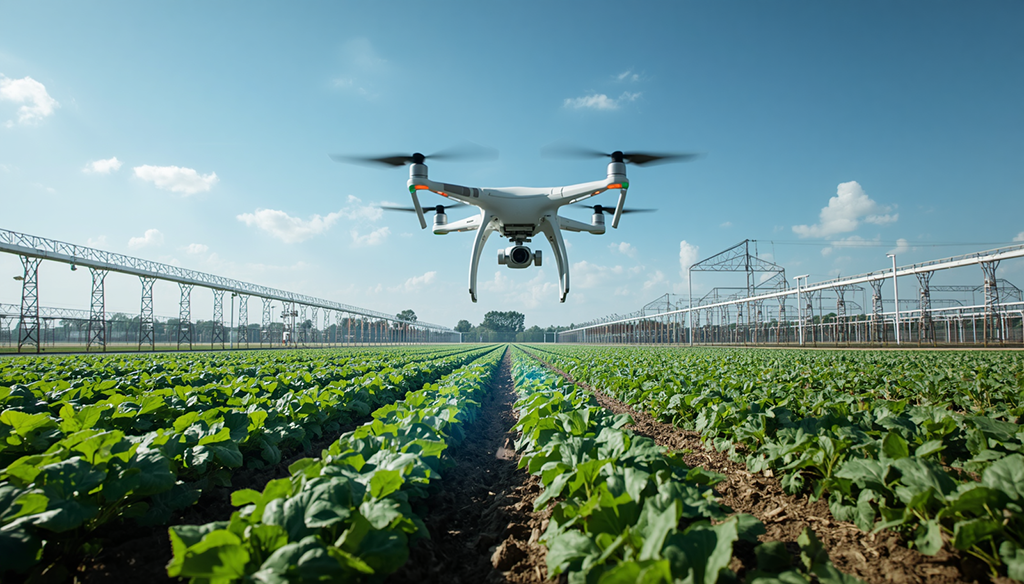
Precision Farming: Sensors that monitor soil moisture, crop health, and weather conditions.
Livestock Monitoring: Track the health and location of animals using IoT devices.
Automated Irrigation: Systems that optimize water usage based on real-time data.

portrait-happy-young-male-network-engineer-with-laptop-hand-working-datacenter

Energy Management

Smart Grids: Monitor and manage energy use more efficiently.
Home Energy Management Systems: Optimize energy consumption in homes.
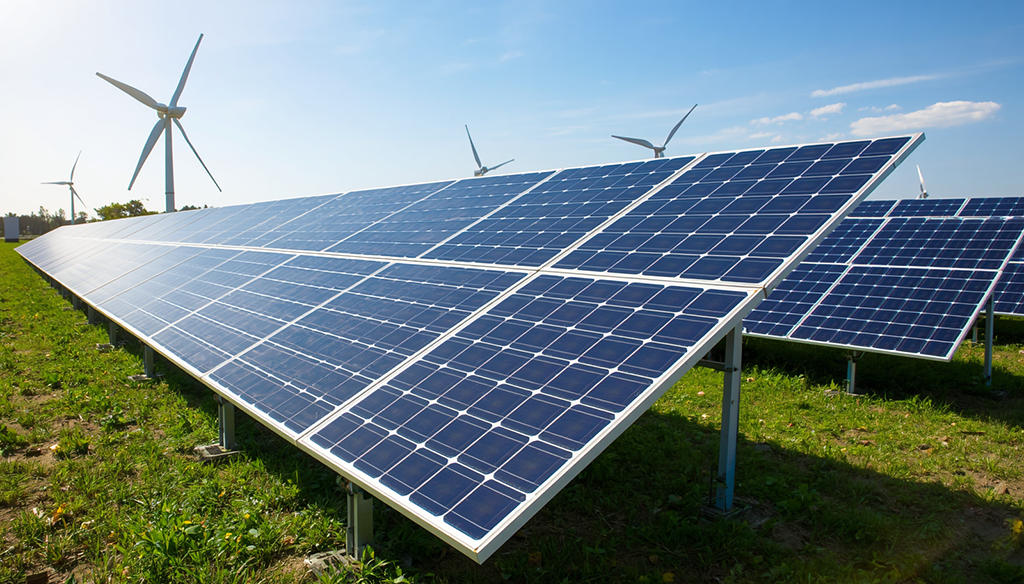
Renewable Energy Monitoring: Track and optimize the performance of solar panels.

Transportation and Logistics

Fleet Management: GPS and sensors to track vehicle location and performance.
Smart Parking Solutions: Systems that indicate available parking spots in real time.
Connected Vehicles: Cars that communicate with each other and infrastructure for safety & efficiency.
Asset Management: Asset management refers to the systematic process of developing, operating, maintaining, and selling assets in a cost-effective manner.

IOTS-05
blank-billboard-bus-stop

Retail

Inventory Management: Sensors that track stock levels and provide alerts.
Customer Experience: Personalized offers based on customer behavior tracked through IoT.
Smart Shelves: Monitor product availability and customer interactions.